The Secret to Precise Stimulation with 司羿 Low and Medium Frequency Electrotherapy System, Unlocking a New Level of 康复 - 卒中 中心 - 司羿 智能的
Accurate Electrode Placement = Doubled Efficacy!
In the field of 康复 medicine, Functional Electrical Stimulation (FES) and Neuromuscular Electrical Stimulation (NMES) have long served as "electronic crutches" for 患者 with 下 肢体 运动 功能障碍, helping people with limitations caused by 卒中, spinal cord injury, multiple sclerosis, and other conditions to stand and walk again. However, many users wonder: 为什么 does the 相同的 设备 yield inconsistent results in their own use?
The answer is actually simple: the problem usually lies not with the 设备 itself, but with whether the electrodes are placed in the correct position!
Electrode Placement: The "Key Code" to Therapeutic Efficacy
In the application of FES and NMES, the "position and size of electrodes" are core factors determining therapeutic effects. Even if you have adjusted parameters such as frequency, pulse width, and intensity, different electrode placement methods can 导致 to drastically different muscle responses and 功能恢复 outcomes.
Recent systematic experiments have confirmed: when electrodes deviate from the 运动 point of the gastrocnemius muscle, the amplitude of muscle contraction decreases significantly, and a higher current intensity is required to achieve the desired effect; in contrast, precise placement aligned with the 运动 point not only induces stronger contractions at a 下 current but also significantly improves 治疗 comfort and tolerance.
For 患者 and therapists pursuing efficient 康复, systematically understanding the 运动 point distribution of major 下 肢体 muscle groups and mastering scientific electrode placement principles are key to enhancing the precision and repeatability of 康复 training.
运动 Point: The"Golden Target" for Electrical Stimulation
To place electrodes accurately, you first need to understand the core concept of the "运动 point."
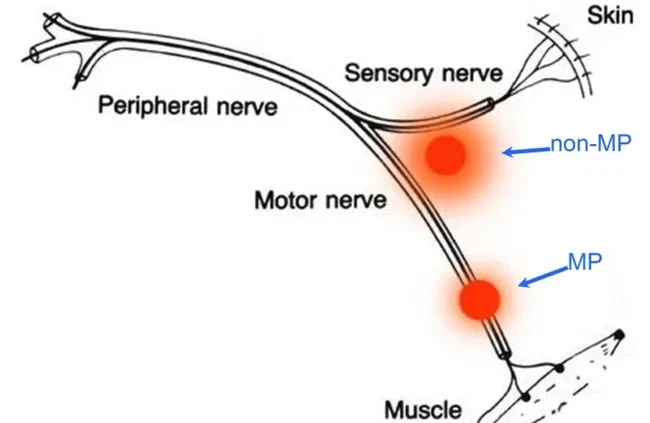
The "运动 Point" refers to the superficial location where the 运动 nerve enters the muscle. Electrical stimulation applied to this area can trigger visible muscle twitching with the minimum current. The benefits of correctly locating the 运动 point are obvious:
1. Reduce the need for stimulating current, avoiding discomfort caused by high current
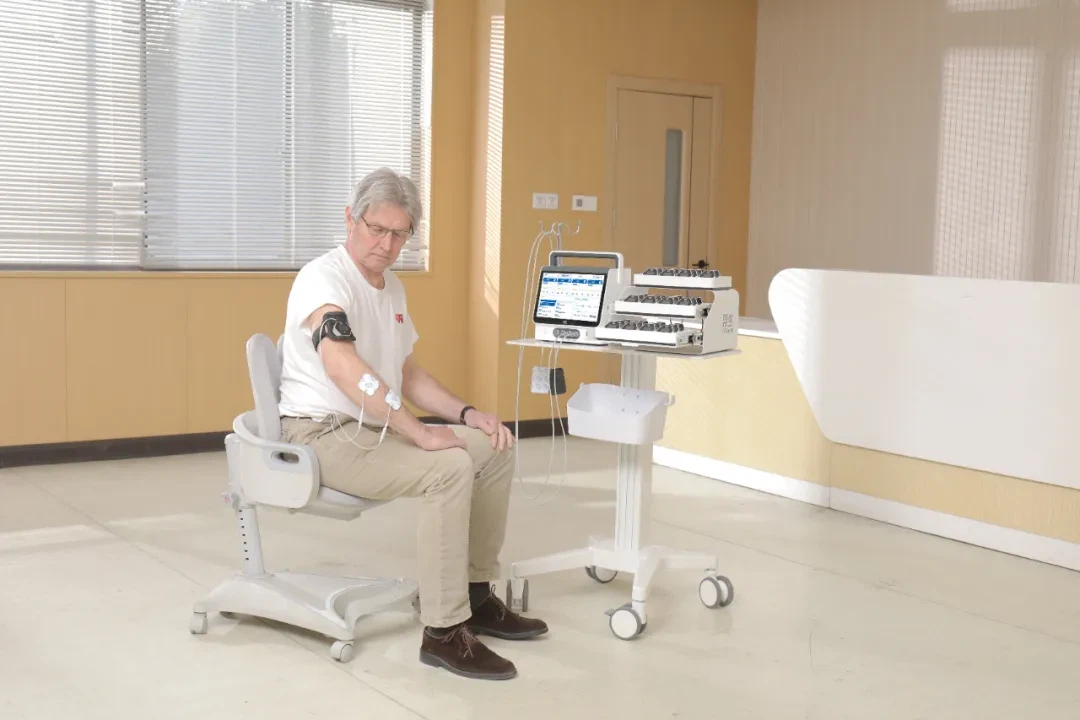
2.Greatly improve 治疗 comfort, making it easier for 患者 to persist
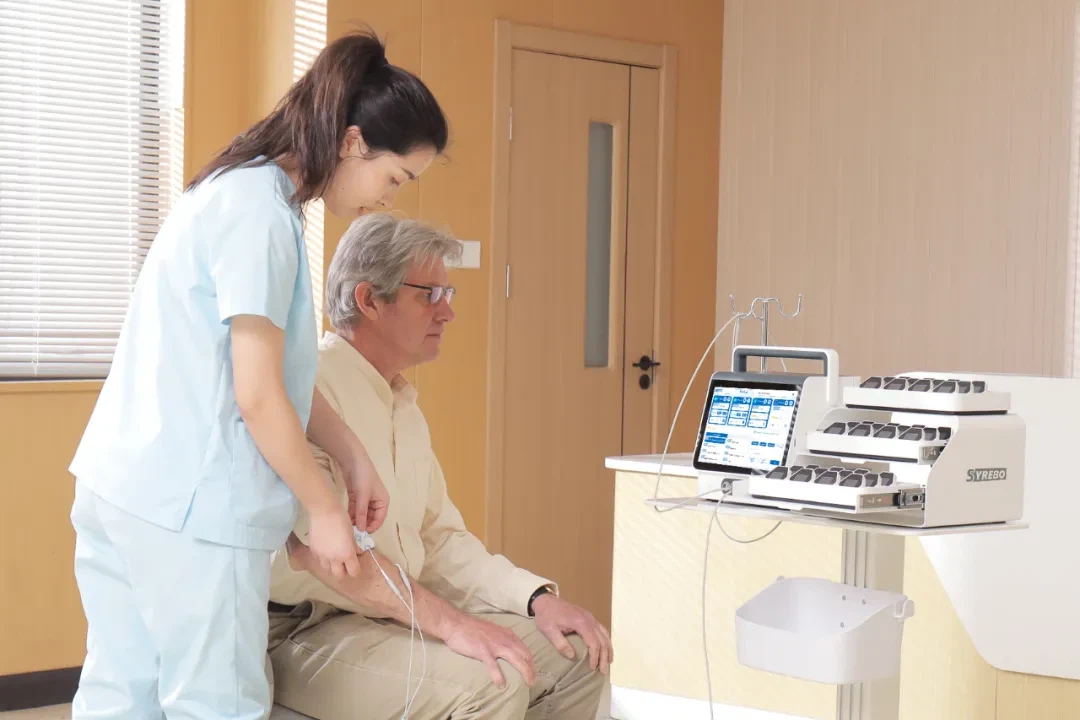
3.Enhance the synchronization of muscle contractions, making 康复 training more efficient
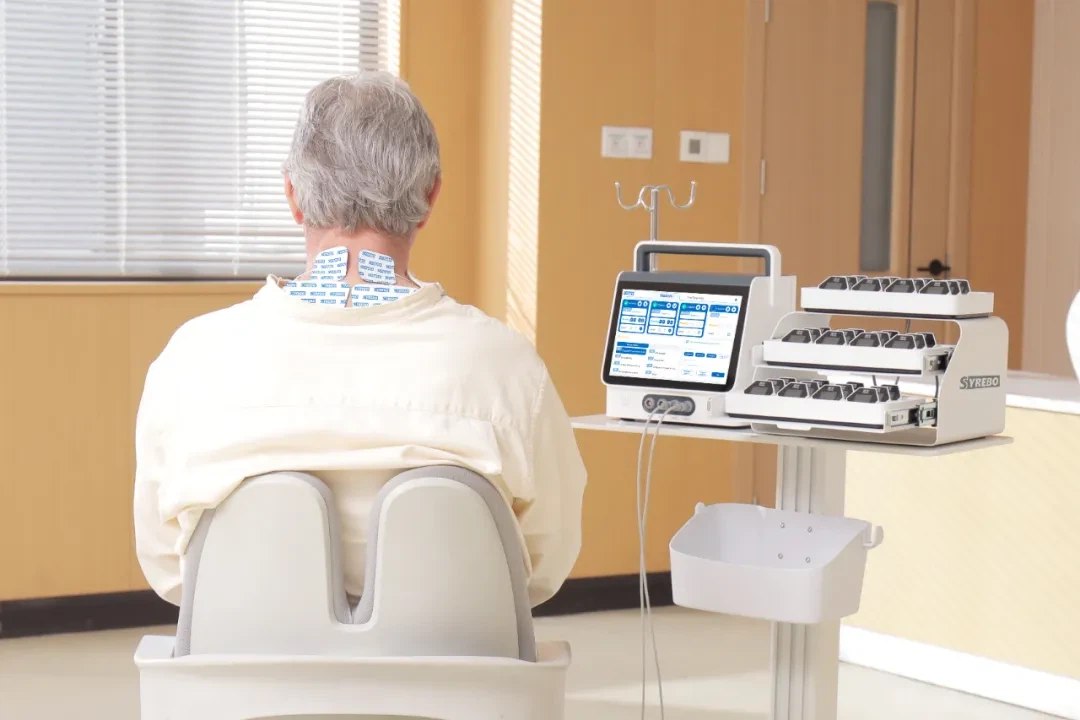
Traditionally, 运动 points in 临床的 practice were often identified by manual probe stimulation. Today, the combination of surface electromyography (sEMG) scanning and current density modeling technology enables more objective and efficient 运动 point localization, laying a solid foundation for precise 治疗.
Guide to Electrode Placement for 常见的 下 肢体 Muscle Groups
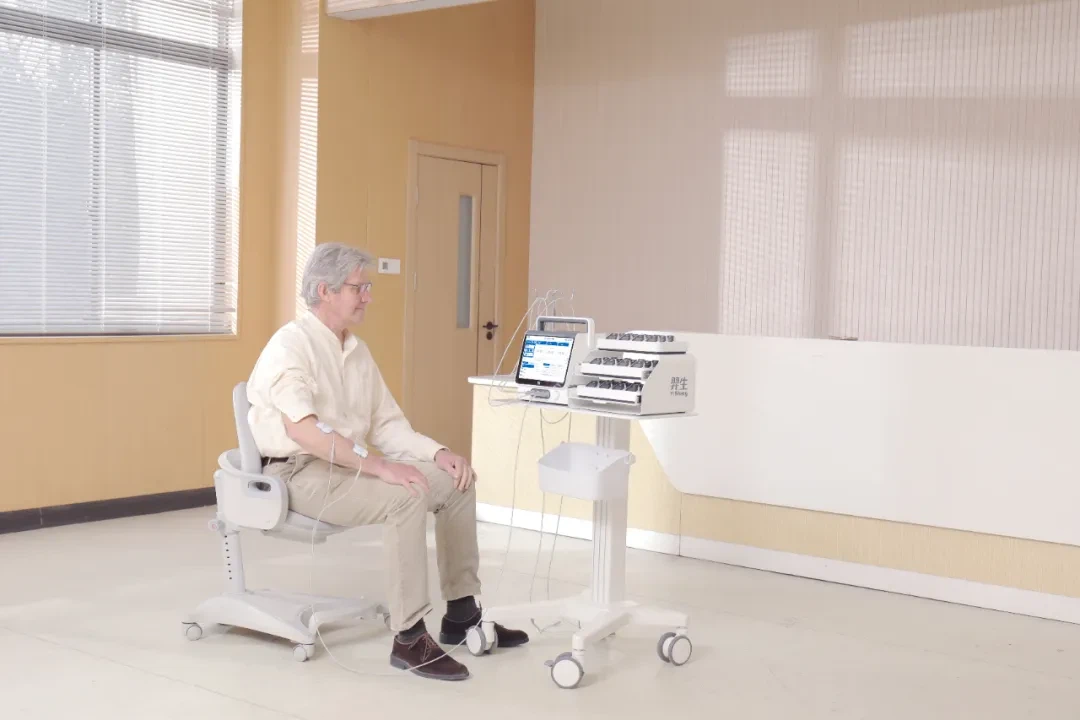
Based on 运动 point measurement data, the following practical electrode placement recommendations are summarized for core 下 肢体 muscle groups. When used with the 司羿 Low and Medium Frequency Electrotherapy System, the efficacy is even more outstanding:
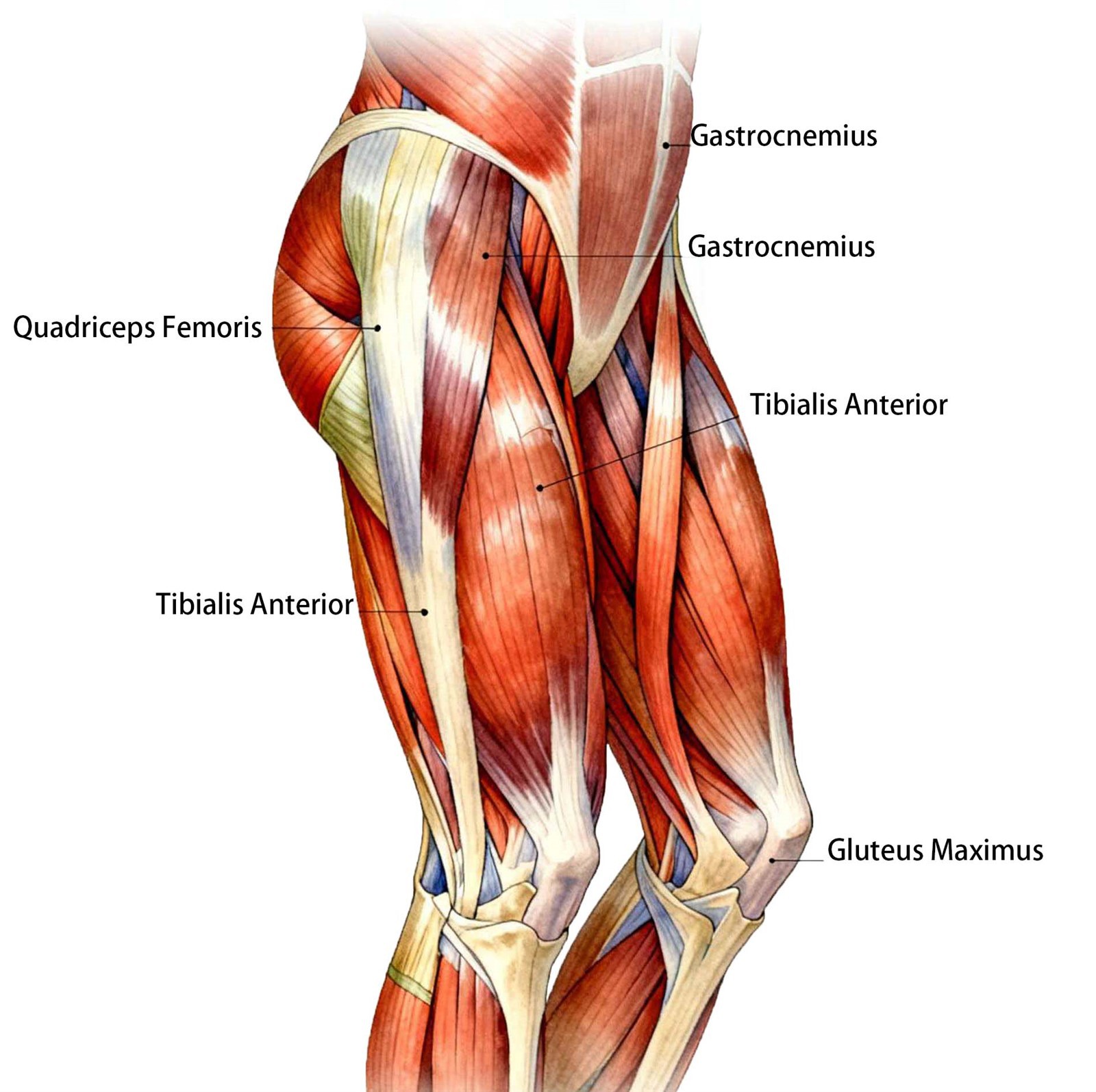
"Quadriceps Femoris": Align the 中心 of the electrodes with the 运动 point at the mid-section of the anterior thigh, place them symmetrically on both sides, covering the rectus femoris and vastus lateralis areas. Suitable for knee extension 功能 training.
"Gastrocnemius": Place the electrodes at the 上 1/3 and middle 1/3 of the posterior calf, respectively, aligning with the area where muscles are plump and 运动 points are concentrated. Helps 恢复 ankle plantar flexion 功能.
"Tibialis Anterior": Place the electrodes at the 上-middle section of the anterior calf, near the 运动 point on the lateral side of the tibia. Targeted at improving ankle dorsiflexion 功能 and relieving foot drop.
"Gluteus Maximus": Place the electrodes at the middle-下 section of the lateral buttocks, aligning with the 运动 point of the gluteus maximus. Assists in hip extension and abduction training, enhancing 下 肢体 stability.
" 司羿 Advanced Technology"
Making Precise Stimulation More Efficient and Convenient
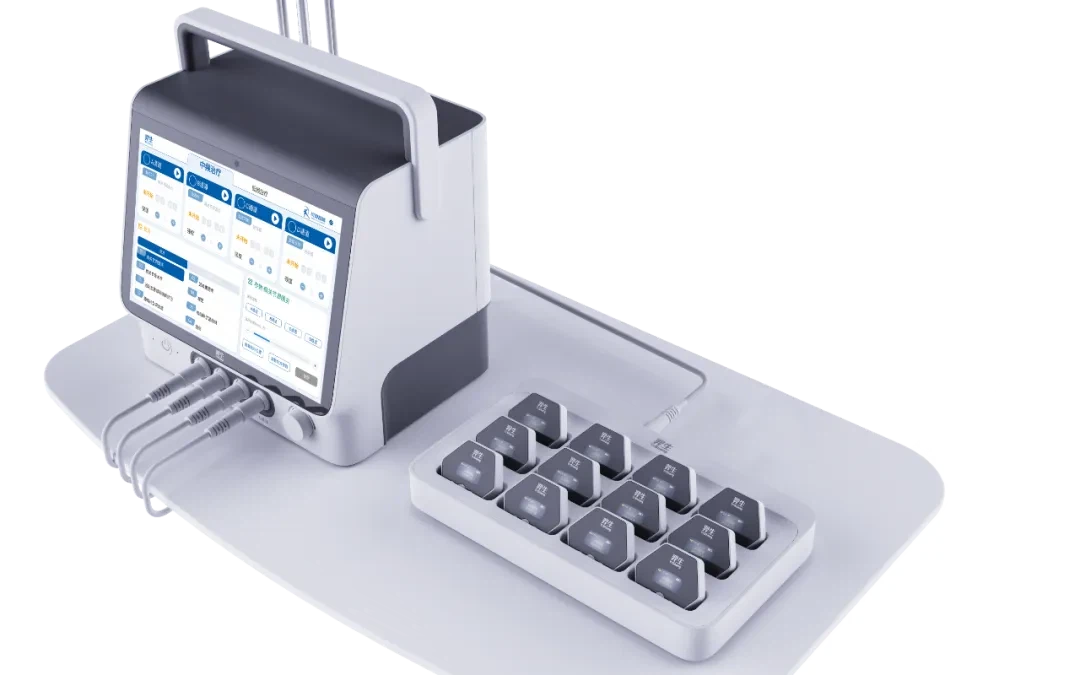
Choosing the right electrode position also requires matching it with professional 设备! As a wireless wearable electrical stimulation black technology product, the 司羿 Low-Frequency and Medium-Frequency Therapeutic Instrument skillfully combines the in-depth efficacy of traditional medium-frequency therapeutic instruments with the convenience of 现代的 wearable low-frequency technology, doubling the effect of precise stimulation.
It is equipped with "4 medium-frequency channels" and supports up to "36 low-frequency channels"-a single 设备 can treat 40 患者 or 40 body parts simultaneously. The multi-channel design is perfectly suited for the simultaneous stimulation of multiple 下 肢体 muscle groups.
The "wireless connection design"breaks through scenario limitations: the medium-frequency main unit can be placed at the nurse's station or 康复 hall, and nurses can 移动 between wards with the low-frequency 设备, eliminating the need for 患者 to travel back and forth and greatly improving 治疗 compliance.
More thoughtfully, the 设备 has built-in "over 30 sets of professional prescription programs", covering 10 types of medium-frequency therapies and more than 20 types of low-frequency therapies. It also allows 康复 therapists to customize parameters such as waveform, frequency, pulse width, and 治疗 time according to individual 患者 conditions. Combined with precise electrode placement plans, it not only meets the personalized 治疗 needs of different conditions but also provides strong support for 临床的 research.
Conclusion
The "position, size, and current density" of electrodes are the three core variables determining the efficacy of 下 肢体 electrical stimulation. Accurately identifying 运动 points and optimizing placement plans with the technical advantages of the 司羿 Low and Medium Frequency Electrotherapy System can not only significantly improve muscle activation efficiency but also enhance 患者 comfort and compliance.
With the integration of imaging, electrophysiology, and computational modeling technologies, the standardization and individualization of electrode placement will become a key direction in the development of functional electrical stimulation. The 司羿 Low and Medium Frequency Electrotherapy System, with its innovative design featuring multi-channel, wireless connectivity, and personalization, is empowering precise 康复 and serving as a powerful assistant in 康复 departments!