After Cerebral 出血: 后遗症 - 卒中 中心 - 司羿 智能的
脑出血 is a 常见的 疾病 and a 疾病 with extremely high 残疾 and 致命 rate. It usually refers to the 突然的 破裂 of 血管 in the brain, rapidly 形成 local 血肿, 挤压 the 周围的 脑组织, and 产生 corresponding 临床的 症状 or 体征. . The 老年人 are the main affected population of the 疾病, generally 40-70 years old is the main age of the 疾病.
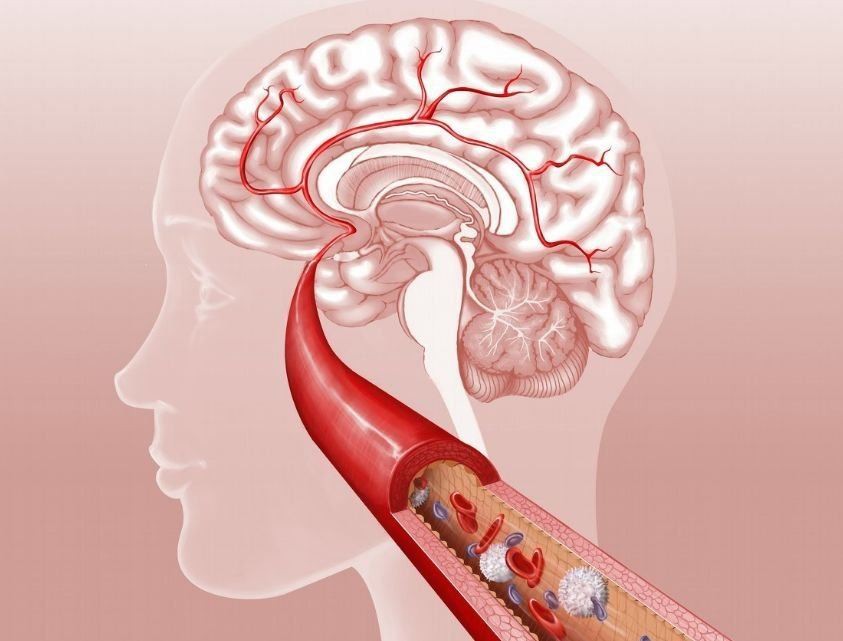
The 后遗症
1. 偏瘫: It is specifically manifested as the 丧失 of 肌肉力量 of one 肢体, poor 活动 or complete inability to 移动, often accompanied by 感觉的 障碍 of the ipsilateral 肢体, such as cold and heat, 疼痛, etc., or completely 未知. Sometimes it can be accompanied by a 缺陷 of the 视野 on the 相同的 side.

2. Mental and 智力障碍s: a large-scale or multiple 复发 of 脑出血 accidents may leave mental and 智力障碍s: such as 性格改变s, 消极的 悲观, 抑郁症, mental 萎缩, 烦躁, etc.

3. 失语症: 患者 with 运动 失语症 are able to understand other people’s words, but unable to express their own meaning; 患者 with 感觉的 失语症 have no language barriers, but can’t understand other people’s words or their own words; 患者 with naming 失语症 are able to tell its purpose, but unable to name it when they see an object.

4. Other 症状: headache, dizziness, nausea, dementia, 抑郁症, 丧失 of appetite, etc.